
Boxing: The Ultimate Guide to This Thrilling Martial Art, Sport, Training, Fighters, and Sporting Events
Authored by martellmotorsports.com, 25 Feb 2026
Introduction
A single punch from Mike Tyson in his prime carried enough force to accelerate a 16-ounce glove to 20 miles per hour, generating over 1,200 pounds of impact—enough to crack ribs or end a fight instantly. Boxing demands this precision amid chaos, where fighters anticipate strikes from odd angles while protecting their own vulnerabilities. Rooted in ancient combat rituals from Sumeria to Greece, it evolved into a regulated sport that tests physical limits and mental steel. This article breaks down boxing as a cornerstone of martial arts and sports, covering its rules, training regimens, elite fighters, major sporting events, and paths to mastery. Readers gain actionable insights into techniques, history, and competition dynamics, whether starting as a novice or analyzing professional bouts. From glove weights to footwork drills, every element receives clear explanation backed by core principles. Aspiring boxers learn efficient training methods; fans decode strategies behind legendary knockouts. The sport's blend of strategy and brutality reveals why it endures across cultures and eras.
History and Evolution of Boxing
Origins in Ancient Combat
Boxing traces to 3000 BC Mesopotamia, where carvings depict bare-knuckle fights. Egyptians refined it with wrapped hands for protection. Greeks formalized rules at the Olympics around 688 BC, introducing divisions by weight and allowing wrestling holds until exhaustion decided winners.
Modern Codification
England's Marquess of Queensberry rules in 1867 banned wrestling and mandated gloves, shifting boxing toward pure striking. This change elevated it from street brawls to a professional sport, with timed rounds preventing endless slugfests.
Global Spread as a Martial Art
Twentieth-century migration carried boxing to America and beyond, influencing martial arts like Muay Thai hybrids. Today, it anchors combat sports, blending tradition with innovations like protective headgear in amateur ranks.
Rules and Fundamentals of Boxing
Basic Regulations and Scoring
Fighters compete in a squared ring, 12 to 20 feet per side, wearing 8- to 10-ounce gloves. Bouts last 3-minute rounds with 1-minute rests; referees score on effective aggression, ring generalship, and clean punching. Knockouts occur via 10-count failure to rise or technical stoppage.
Weight Classes and Safety Measures
Seventeen divisions from strawweight under 105 pounds to heavyweight over 200 ensure fair matchups. Mandatory medical checks and three-knockdown rules protect fighters from excessive damage.
- Allowed strikes: jabs, crosses, hooks, uppercuts to head and body
- Fouls: low blows, holding, rabbit punches, leading with the head
- Penalties range from warnings to disqualification
Equipment Essentials
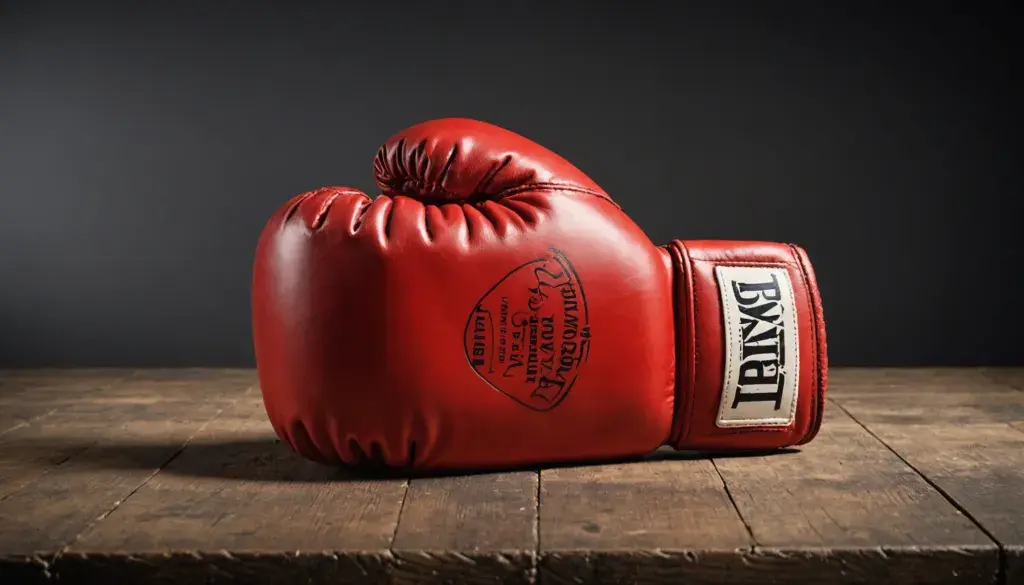
Gloves cushion impacts; mouthguards shield teeth; groin protectors prevent low-blow agony. Headgear softens sparring blows in training.
Training Methods for Aspiring Fighters
Building Endurance and Conditioning
Roadwork covers 3-5 miles daily at varying paces to forge stamina. Interval sprints mimic round bursts, while jump rope hones calf strength and rhythm for footwork.
Technical Skill Development
Shadowboxing refines combinations without partner resistance. Heavy bag drills teach power transfer; speed bags sharpen timing and shoulder endurance.
Sparring and Recovery Protocols
Controlled sparring applies techniques under pressure. Ice baths and active rest days counter inflammation, sustaining peak performance across camps.
- Core routine: 45 minutes cardio, 30 minutes bag work, 20 minutes mitts
- Weekly volume: 40-60 hours for pros, scaled for amateurs
- Nutrition focus: high protein, carbs timed pre/post workout
Iconic Fighters and Their Legacies
Pioneers Who Defined Eras
Jack Dempsey's aggressive swarming in the 1920s set templates for inside fighting. Joe Louis reigned as heavyweight champion for 12 years, mastering jab precision.
Modern Legends in Boxing
Muhammad Ali revolutionized the sport with rope-a-dope tactics and psychological warfare. Floyd Mayweather's undefeated record highlighted defensive mastery, slipping punches with minimal movement.
Influence on Martial Arts and Sports
These fighters inspired cross-training in MMA, where boxing standup forms the base for strikers. Their techniques permeate global gyms, blending with kicks in hybrid martial arts.
Major Sporting Events and Competitions
Professional Title Fights
World Boxing Council and others sanction belts across 17 classes. Pay-per-view cards draw millions, pitting top fighters in unification bouts.
Olympic and Amateur Tournaments
Every four years, Olympics showcase national talents in shorter, headgear-protected fights. Golden Gloves nationals crown U.S. amateurs annually.
Prestigious Annual Events
Las Vegas super fights headline weekends, while Mexico's Cinco de Mayo clashes honor traditions. These sporting events elevate boxing's profile worldwide.
Strategies and Tactics in the Ring
Offensive Approaches
Out-boxers circle with jabs to control distance. Sluggers close gaps with hooks, overwhelming volume. Combinations chain punches for openings.
Defensive Techniques
High guards block head shots; slips evade via torso leans. Footwork pivots create angles, turning defense into counters.
Psychological and Adaptive Elements
Fighters read opponents' rhythms, feinting to draw reactions. Mid-fight adjustments counter styles, as seen in peak performances.
Frequently Asked Questions
How long does it take to become a competitive boxer?
Amateurs reach local bouts in 6-12 months with consistent training; pros need 3-5 years of dedicated work. Genetics aid speed, but discipline trumps talent. Track progress via sparring outcomes and coach feedback.
What is the most effective beginner training routine?
Start with 30 minutes daily: 10 minutes jump rope, 10 shadowboxing, 10 strength circuits like pushups and squats. Add mitt work twice weekly. Rest one day to recover.
Are there differences between men's and women's boxing rules?
Rules match exactly, with same weight classes and round lengths. Women often fight 2-minute rounds in amateurs for safety, but pros use 3 minutes. Scoring emphasizes technique equally.
How do fighters cut weight safely?
Shed via water loading, carb depletion, then rehydration post-weigh-in. Avoid extreme dehydration; monitor with coaches. Sauna sessions last under 30 minutes.
Can boxing training improve fitness for non-fighters?
Yes, it torches 600-800 calories per hour while building coordination and power. Circuits adapt for cardio without contact. Results appear in 4-6 weeks.
What gear do I need to start boxing at home?
Heavy bag, gloves, wraps, and mirror suffice. Add a timer app for rounds. Invest in quality wraps to prevent hand injuries from day one.